 0 comments
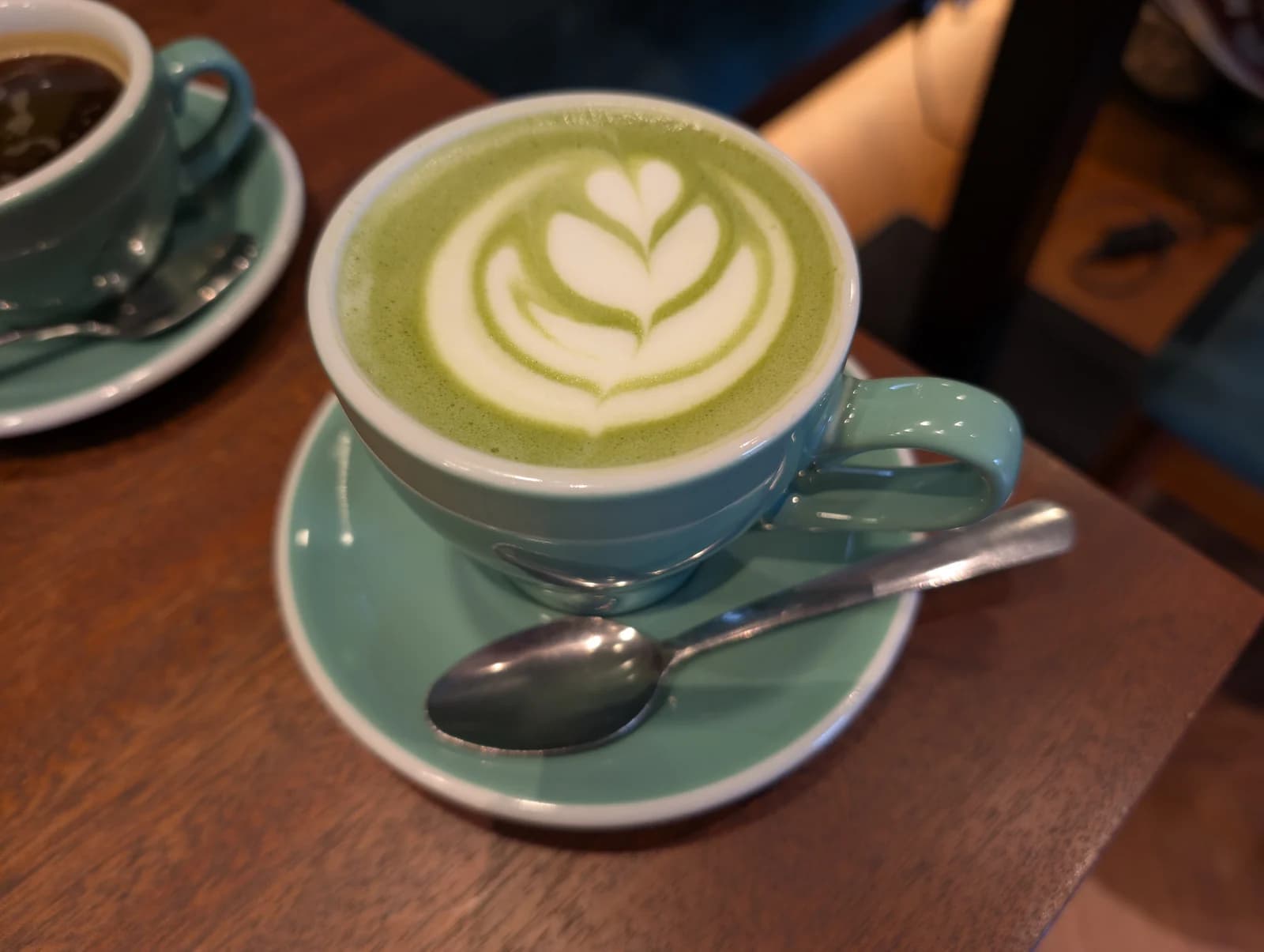
Plan seasonal drinks around maple, caramel, pumpkin and warming spice without making every cup taste the same. This Kumora guide interprets the reference image; it does not claim to reproduce the original creator’s recipe or methods.
Before you start
- Reliable base recipes for coffee, matcha and tea
- Measuring spoons or a scale
- Milk or suitable alternatives and ice
- Notebook for recording test ratios
- Matching glasses for comparison
Give each drink a distinct role
The pin is a styled menu, not a set of verified formulas. Use it to plan a small tasting session: one caramel coffee, one maple coffee, one matcha option, one pumpkin drink and a spiced tea. A less-sweet choice adds more variety than another nearly identical syrup combination.
Start with base recipes you already make consistently. Record the cup size and ice quantity. A balanced small hot drink may taste weak when poured into a large glass of ice.
Build maple and caramel around the base
Test a small measured amount of maple syrup in your usual coffee and milk. Adjust in increments and write down each change. If testing salt, compare a salted sample with an unsalted one instead of adding it automatically.
Decide whether caramel comes from a sauce or a lighter syrup. A thick sauce may need dissolving in warm coffee before the ice. A decorative glass drizzle should support the drink, not make the first sip much sweeter than the last.
Keep tea flavors clear
Prepare matcha according to its instructions before combining with milk. Taste a plain sample beside the maple version so the sweetener does not bury the tea. Its pale green color can distinguish it from the brown coffee drinks.
For pumpkin and chai-style options, start from a tested recipe or prepared base. Check for gritty spice sediment after standing. A heavy dusting may photograph well but feel powdery when someone actually drinks it.
Taste after a realistic delay
Taste immediately and again after some ice melts. Note whether the flavor, color and topping still work. Reduce the menu if several drinks are hard to distinguish; three clear choices can be more useful than six minor variations.
Use names that describe the main flavor and identify ingredients accurately. These are development ideas, not nutritional claims or tested commercial formulas. Follow the handling and storage requirements of the ingredients you choose.
The little details
- Use the same glass size during comparison tests.
- Photograph a drink after a realistic service delay as well as immediately after making it.
Your questions, answered
Are these complete recipes?
No. This is a menu-planning guide. Use reliable base recipes and record the final quantities from your own tests.
Can I make coffee-free versions?
Yes. Use a suitable tea, matcha or cocoa base, then taste again rather than assuming a volume-for-volume substitution will balance.
Made it? Let’s talk.
Share how your bake went, ask a question, or pass on a helpful tip. There’s a seat for you here.
A kind kitchen is a happy kitchen. Our community guidelines →
No comments yet. Be the first to say hello.